
From vendor trash tells to door math, these three habits surface hidden gear and secrets without a full wiki crawl.
Read the loot table like a cheapskate
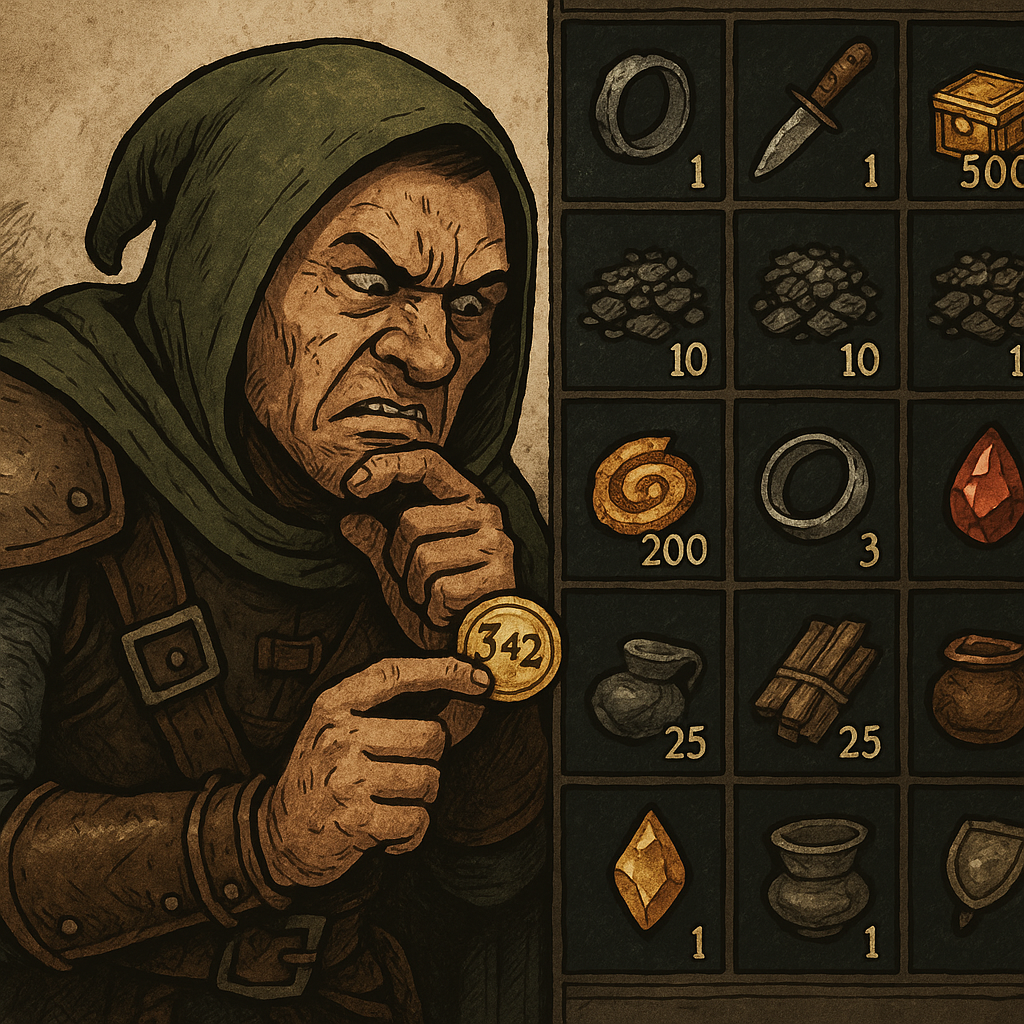
I got better at finding hidden loot the day I stopped thinking like an adventurer and started thinking like a broke inventory manager. Most games have a quiet economy logic: common junk has predictable sell values, weights, stack sizes, and icons that repeat. So I do a two-minute calibration every new RPG or looter. I pick up five obvious trash drops, look at the vendor sell prices, and mentally tag the "normal" band. In one game it might be 1 to 5 gold for cracked rings and rusty daggers, in another it is 10 credits for scrap and 25 for low-tier components. Either way, once you know the baseline, anything that breaks the pattern is a discovery breadcrumb.
Here is what I watch for, because it shows up everywhere from Bethesda-style open worlds to Diablo-likes:
- Odd sell value: a "common" item that sells for 10x the normal junk is rarely just flavor text. It is often a key, a quest turn-in, or part of a hidden recipe chain.
- Weight that doesn't match the look: a tiny trinket that weighs 5.0 (or takes a full slot in a grid inventory) is the game telling you it matters, even if the rarity color is boring.
- Icon reuse vs unique art: if everything uses the same three icons and one drop has custom art, I slow down. Custom art costs dev time. It is almost never nothing.
- Stack behavior: quest-ish items love to stack to weird caps (7, 9, 12) or not stack at all. Either is a flag.
This fits the Game Discoveries vibe because you are not following a waypoint, you are reading the game like a system. When I spot one of these "out of band" pieces, I do one simple thing before I forget: I favorite it, tag it as "do not sell," or shove it into a dedicated "mystery" stash tab. Later, when I hit a locked door that wants "three engraved seals" or a crafting bench with a grayed-out upgrade, I already have the puzzle pieces. The only way this fails is if you let your bags fill and panic-sell everything. Been there. The fix is boring but effective: one junk rule, one mystery pocket, and the rest can go to the vendor without guilt.
Treat locked doors like math, not scenery
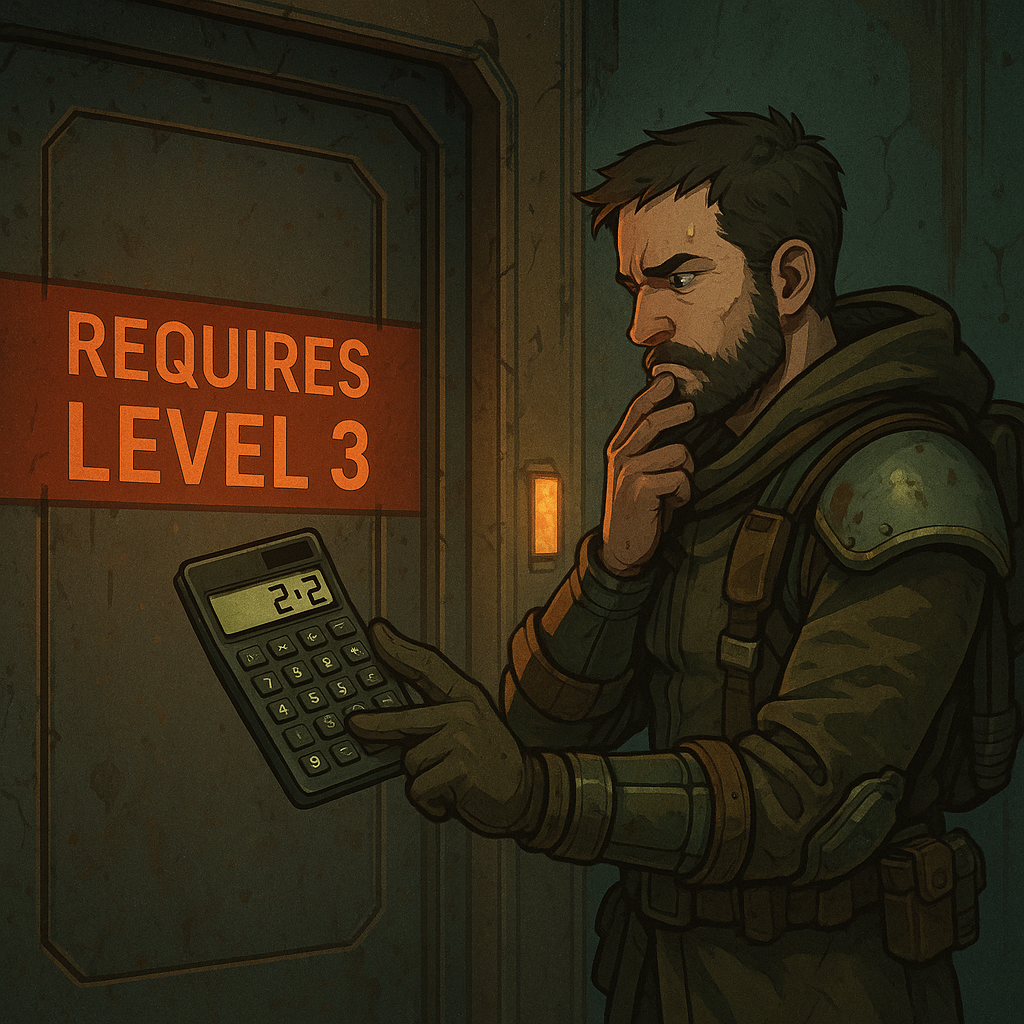
Any time I see a locked door, a cracked wall, a "needs power" console, or a chest with a red "Requires X" banner, I assume it is a developer leaving a receipt. They want you to come back. The discovery part is figuring out when they expect you to be able to, and doing it without a guide. So I do a quick, slightly nerdy inventory of my current verbs and compare them to the door's ask.
Start with the obvious: if the lock says "Level 3," and you are Level 2, that is not a puzzle. But lots of games hide the requirement in the language. "Sealed," "ancient," "corrupted," "fused," "overgrown," "arcane," "biometric"... those words usually map to a specific tool or story beat. I keep a little mental translation table:
- Elemental or status words (frozen, tangled, corrupted): often solved by a damage type you don't have yet, or a cleansing item sold by a specific faction vendor.
- Tech words (power, circuit, biometric): usually means you need a battery item, a keycard, or to restore power to the whole wing. Check for a generator room, not a hidden key under a random rock.
- Ritual words (sigil, warded, consecrated): that is almost always tied to a questline or a learned spell, not a physical key.
Then I do the part most people skip: I look around the door for the game's little "this is your route" staging. Are there extra ammo drops, a nearby save point, a fast travel marker, or an unusually generous healing fountain? When I see that kind of resource placement, it's a strong hint the door is meant for right now and I am missing something close by, like a switch, a fuse, a pressure plate, or a side path I ran past. If the area is stingy and the door is flashy, that usually means "come back later" and I stop burning time.
This approach is pure Game Discoveries: it's pattern recognition and environment reading, not map interrogation or quest marker chasing. I also drop a personal pin if the game allows it, but not a generic "locked" pin. I name it after the requirement I suspect: "needs fire," "keycard?" or "biometric + power." When I later pick up a plasma cutter or get access to a faction HQ, I can scroll my map and immediately know which earlier doors are worth revisiting. You end up finding hidden weapons and optional bosses because you treated the door like information, not decoration.
Do a sound check on every new zone (headphones help)
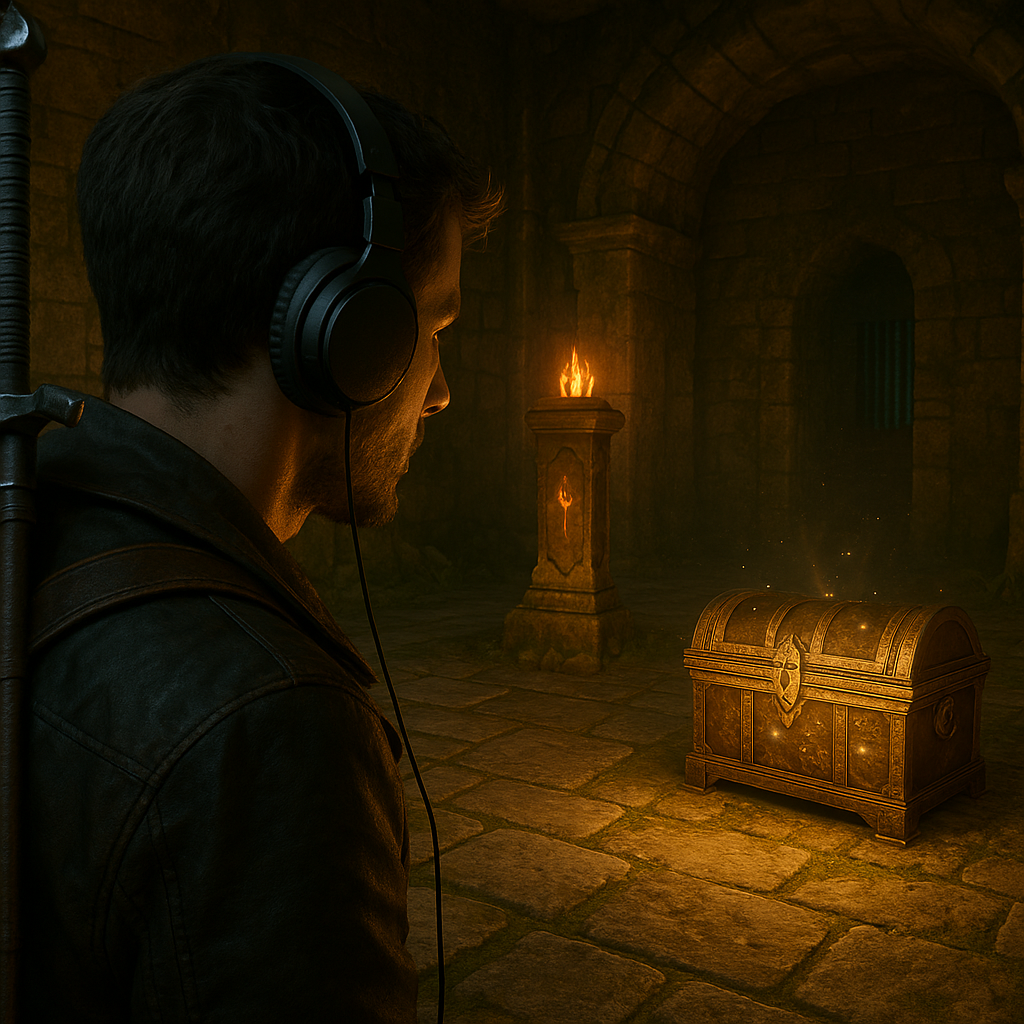
There is a whole layer of Game Discoveries that lives in audio design, and I didn't respect it until I played a stealth-heavy game late at night with decent headphones. Suddenly I could hear what the level was trying to tell me: a faint chest jingle behind a wall, a ventilation fan that was just a hair louder near one corner, the crackle of an interactable shrine that looked like set dressing. Now I do a quick "sound check" every time I enter a new area, especially in games that love hidden caches.
It takes maybe 30 seconds. I stop moving, rotate the camera slowly, and listen for anything that isn't ambient. Ambient is wind, distant traffic, generic birds, the low music bed. The signals are usually sharper and looped: a metallic clink, a magical shimmer, a Geiger-ish tick, a tiny choir note, the soft whirr of a secret door motor that hasn't been triggered yet. Some studios are consistent about this. Once you learn their audio tells, you start finding things you were never meant to stumble into randomly.
Two practical notes from doing this in a bunch of different games:
- Turn down the music one notch. Not off, just down. Soundtracks are great, but they mask the exact frequency range where most "secret nearby" cues live.
- Use the game's audio mix if it has one. Lots of modern titles have presets like "Headphones" or "Night Mode." Those often boost quieter effects without you having to crank your volume into "gunshot scares the neighbors" territory.
Once I catch a cue, I don't immediately start wall-hugging like I'm sweeping for mines. I do a triangulation pass: walk ten steps north, stop, rotate, listen; walk back past the original spot, stop, rotate, listen. When the sound peaks, I look for the game's usual hiding grammar in that specific radius: a slightly misaligned bookshelf, a vent cover with a different texture, a dead-end hallway that exists for no reason, a ledge you can grab if you jump from the right angle. It's tactile. You're hunting with your ears, not your UI.
This doesn't overlap with "listen for the NPC line" because it's not dialog bait, it's pure level audio. Also, it works even when you're skipping cutscenes, playing on mute in the living room would miss it. The only time it betrays you is in crowded hubs where every shop has its own loop and the blacksmith is banging away nonstop. In those zones, I do the opposite: I leave, find the quiet side alley, then listen again. Half the time, that's where the hidden ladder or stash is sitting.