
Three hands-on discovery habits: photo-mode scouting, baiting spawn triggers, and following dev breadcrumbs like torches and rubble.
Use photo mode as a cheap drone
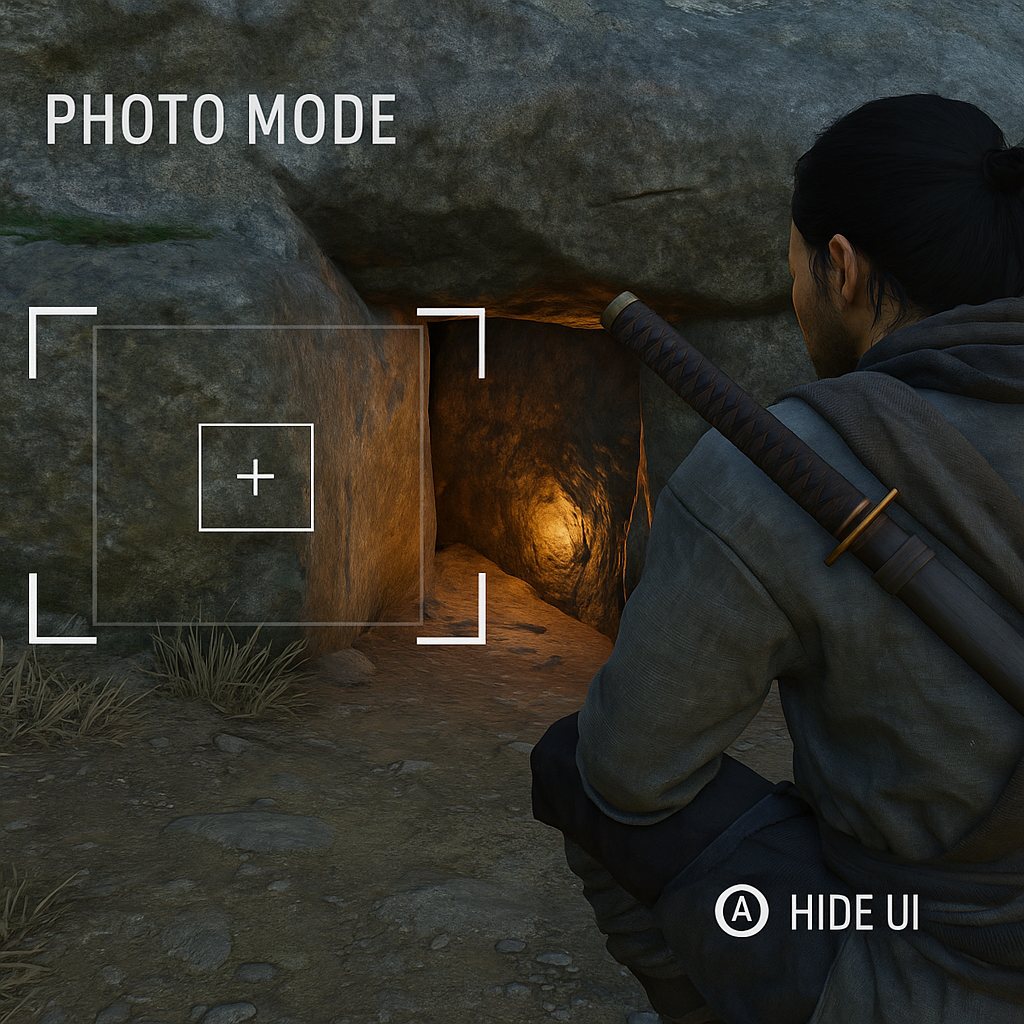
Any open-ish area that looks like it might hide something, I stop treating like a place to "clear" and start treating like a place to scan. Photo mode is perfect for this because most games quietly loosen the camera leash more than they loosen your character. In stuff like Ghost of Tsushima, Horizon Forbidden West, and Spider-Man 2, you can swing the camera behind rock spines, above fence lines, and around those annoying waist-high walls that block your real view but not the photo camera. I do it before I commit to a climb, and definitely before I burn a consumable or pick a fight that might lock a door behind me.
What you are looking for is not a treasure chest silhouette. You're hunting the developer's breadcrumb language: a single torch in the middle of nowhere, a suspiciously clean ledge, a ladder you can see but not reach yet, a break in the canopy that lights one exact boulder, or that "why is there a handhold texture on this one wall" moment. Photo mode makes those clues jump out because you can freeze the chaos, crank the exposure a touch, and pan slowly without enemies shoving you off a cliff.
Two practical tips from doing this way too much: first, don’t zoom all the way in. Mid-zoom keeps perspective honest so you don’t convince yourself a ledge is reachable when it’s three stories higher. Second, if your game lets you hide the UI in photo mode, do it, then watch for interact prompts that were barely flickering in normal play. I’ve found a dumb number of "secret" crawlspaces just because the camera angle made a small gap readable. It feels like cheating, but it’s really just being nosy with better eyesight.
Trigger baiting: make the world show its hand
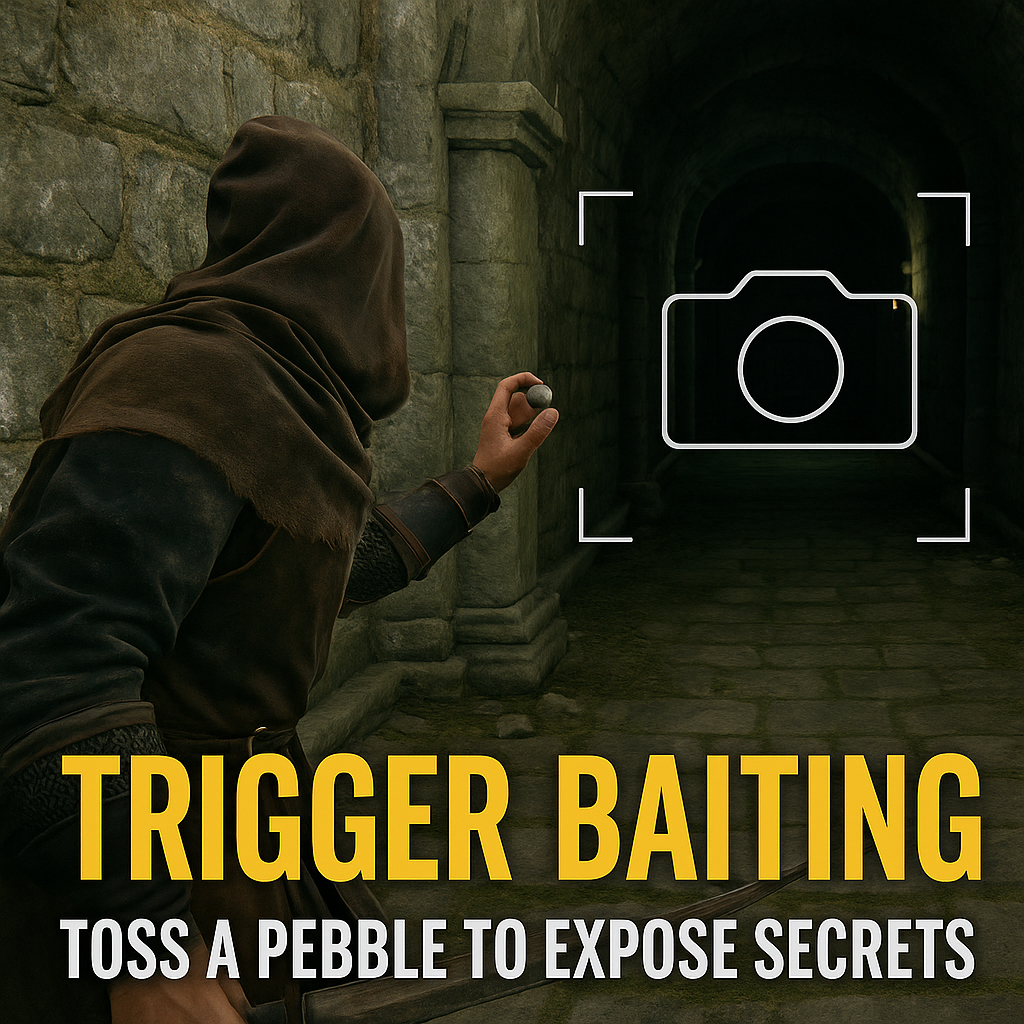
There’s a whole class of discoveries that aren’t "hidden" so much as "waiting for a flag." You can wander right past them and swear the guide is lying because the chest or miniboss or door just isn’t there. When I’m in a new zone and the layout feels too quiet, I do a quick loop specifically to poke the usual triggers. Not in a checklisty way, more like tapping the aquarium glass to see what moves.
My go-to bait: touch the obvious interactable you were saving for later (the lever, the shrine, the weird console), sit at the local rest point (bonfire, camp, bench), and then leave and re-enter the area from a different edge. In a lot of action RPGs and open-world games, that rest or reload step is what flips spawns. If you suspect an ambush, walk halfway in, then back out. Listen for the audio sting that only plays when a script starts. If you’re in a game with investigation sense (Witcher Senses, Focus, Detective Vision), pop it in the "boring" corridor too. Sometimes the clue highlight only appears after you’ve grabbed a nearby item, even if the clue is ten feet away.
I learned this the hard way in games that love conditional doors. I’d spend 20 minutes convinced a side path was fake because it ended in rubble, then come back after flipping a generator somewhere else and the rubble is suddenly climbable. So now I do the dumb little tests early. Flip the generator. Shoot the suspicious bell. Put one arrow into the hanging rope. Toss a pebble if the game has throwables. You’re not brute-forcing every mechanic, you’re checking whether the level is the type that responds.
The failure mode here is wasting time reloading the same empty hallway. Keep it tight: 90 seconds of baiting, then move on. If nothing changes, fine, you didn’t marry the idea. But when it hits, it’s the fastest way to make a "dead" corner cough up a secret passage or a rare spawn without staring at a wiki.
Follow the cleanup crew
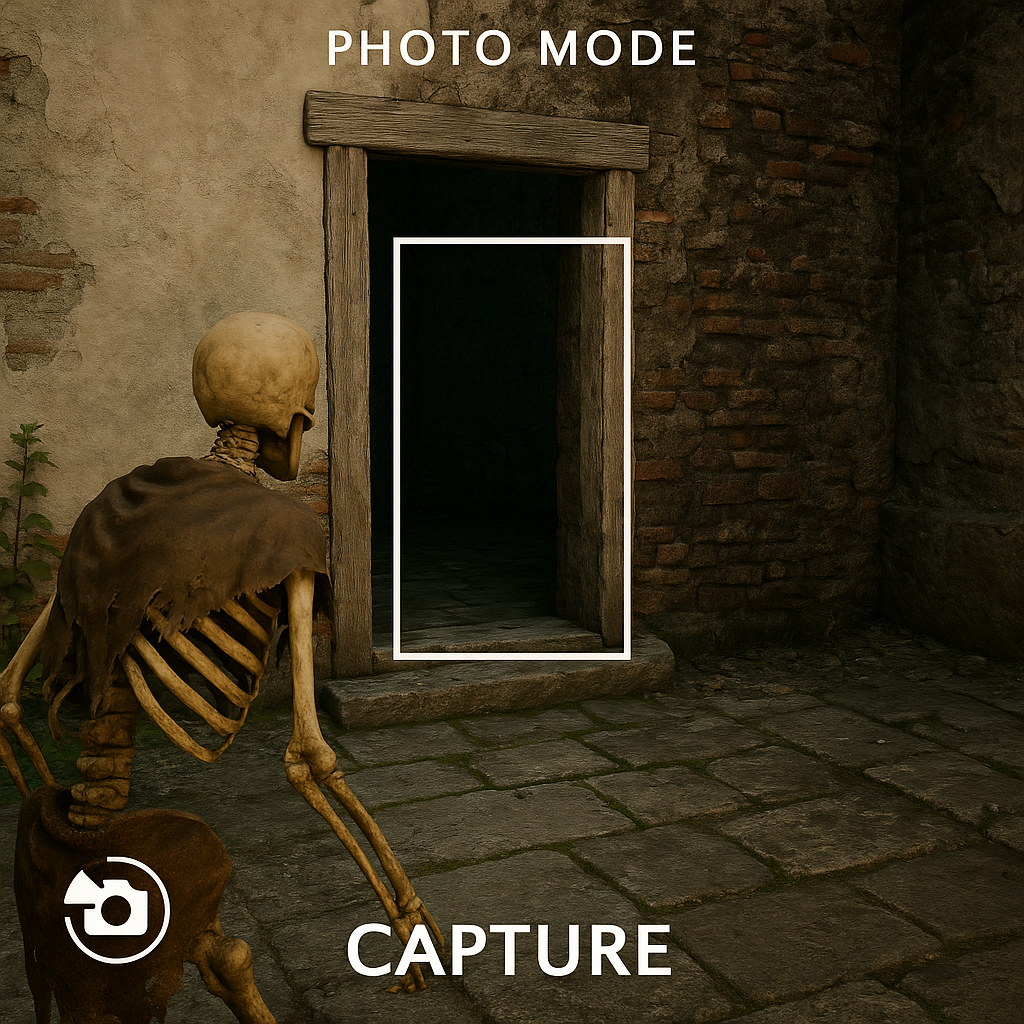
I call it "following the cleanup crew" because once you notice it, you can’t unsee it: games tidy up the path they want you to take. Not with arrows, with art. The foot of a climbable wall is scuffed. The ledge you’re supposed to mantle has a lighter paint edge. The doorway that matters has fresher boards, fewer weeds, a little more contrast. Meanwhile, the dead-end alcove is messy on purpose, because nobody expects you to stop there unless there’s something to reward the stop.
So when I’m in discovery mode, I do the opposite of what my brain wants. I don’t chase the tidy. I chase the places where the artists didn’t bother to polish, because that’s where they hide stash boxes, lore notes, key items, and the occasional "you weren’t supposed to be here yet" view. In ruins-heavy games, look for the one collapsed wall that has a single intact beam you can walk on. In modern settings, check the maintenance spaces: behind the vending machines, under the stairwell, the little fenced-off HVAC corner. In fantasy zones, it’s the broken parapet with one banner still hanging, or the only patch of mushrooms glowing in a shadowed nook.
This isn’t about memorizing a rule. It’s about reading the set dressing like a language. Torches mean attention. Fresh blood smears mean recent activity. A lone chair facing a view means someone wanted you to stand there and look, and there’s usually a collectible nearby because designers are sentimental like that. I’ve found hidden entrances by noticing that every other wall had grime decals except one "clean" rectangle, like a door outline that forgot to pretend.
Do a slow 360 when you enter a new micro-area. Not the whole zone, just the room, the courtyard, the cliff shelf. If you see a contrast that looks like an intern placed it at 2 a.m. to meet a deadline, go bother it. Half the time it’s nothing. The other half, you’re opening a chest that no quest marker was ever going to confess existed.