
A lantern sweep, a dead-end sprint, and a quick-save probe will surface secrets you keep walking past.
The lantern sweep: make shinies confess
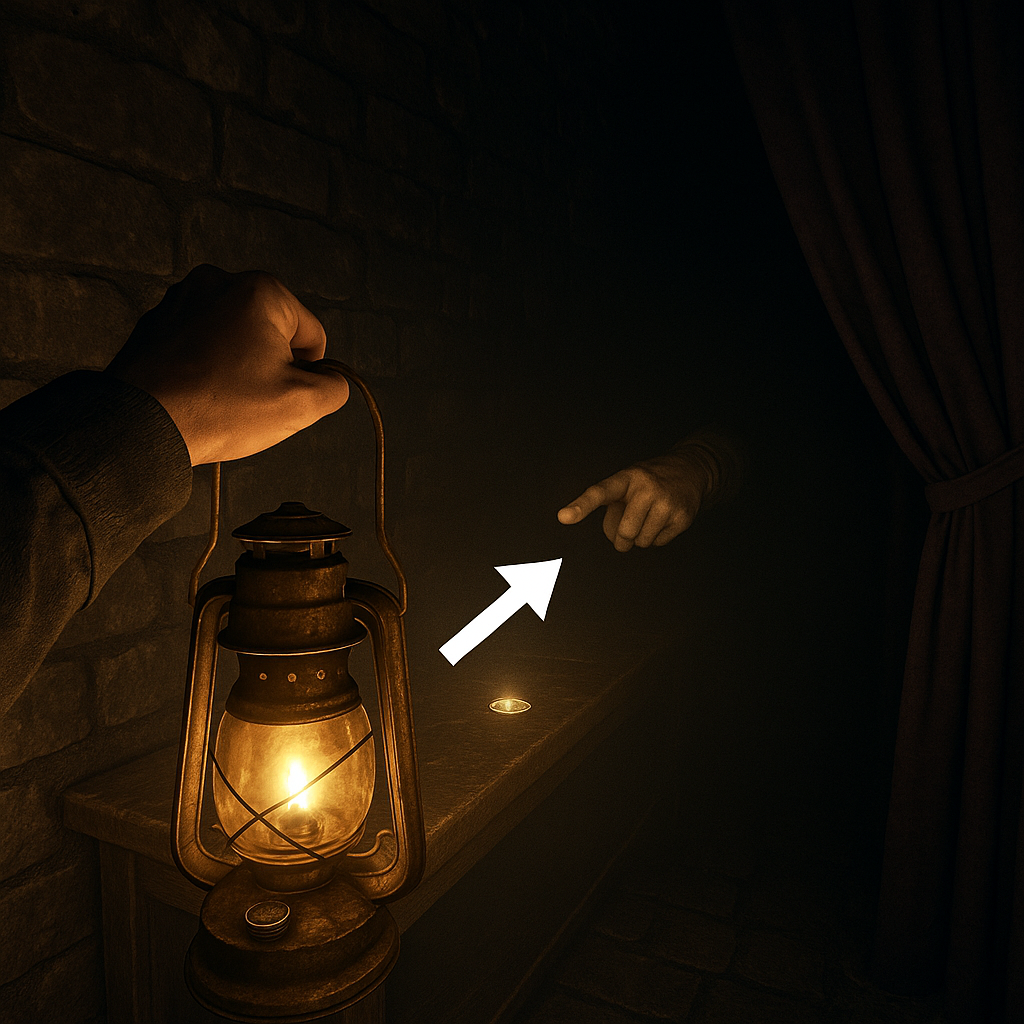
Half the secrets I find these days come down to one boring move: stop jogging and start panning your light like you mean it. Any game with a handheld lamp, lantern, flashlight, or even a weak hip-mounted glow is basically begging you to do a “lantern sweep” before you leave a room. I do it at doorways and at the top of staircases, the spots where I used to just barrel forward.
Here’s the cadence that keeps me honest. I stand still, rotate a full 360 degrees, then tilt up and down once. Not fast. If the engine has specular highlights, you’re looking for the tiny wet glint on a chain, the brief sparkle on a coin edge, the weirdly clean seam on a wall panel, or that one drawer handle that catches light like it was polished five minutes ago. A lot of discovery-heavy games cheat with reflectivity: the “interactable” prop has a slightly different roughness value, so it flashes when your light crosses it. Once you see it, you can’t unsee it.
Two practical tweaks from too many nights of squinting: (1) kill motion blur if the settings let you, because blur smears the exact cue you’re hunting, and (2) bump brightness up one notch, not three. If you overcrank gamma, every surface shines and the sweep becomes noise. And yes, I do this even when I have a minimap. Minimap icons are often gated behind proximity. The sweep isn’t.
When it works, it feels almost dumb. You’ll catch a hairline crack behind a tapestry, a faint outline of a crawlspace vent, or a collectible wedged on a shelf that was “obviously just decoration” until your beam hit it. It’s the same room you’ve stood in for ten minutes, you just finally looked at it like you were there.
Sprint the dead ends before you do the story path
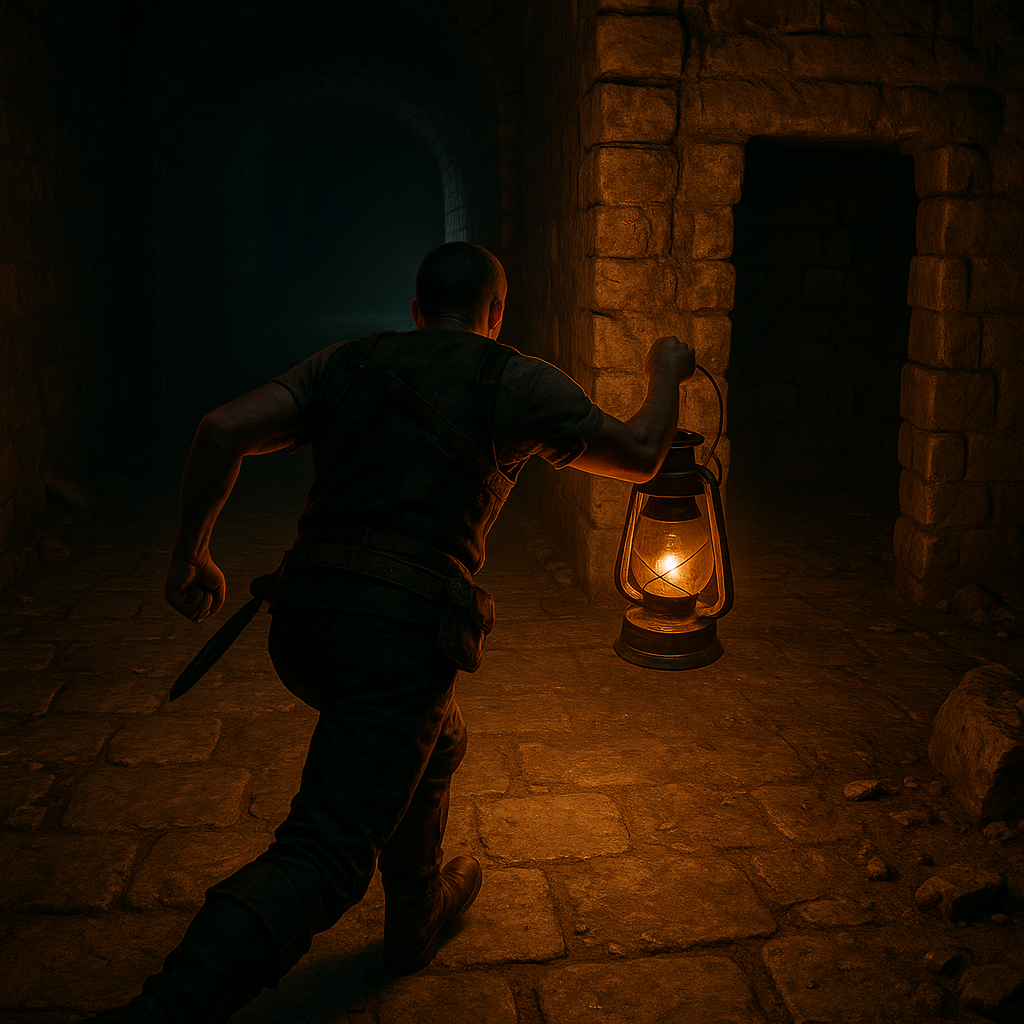
My discovery rate went up the second I stopped treating “progress” as the default direction. In dungeon crawlers, action RPGs, and any game that loves a hub-and-spoke layout, the main path is usually designed to feel comfortable: wider hallway, better lighting, nicer sightlines, sometimes even a faint wind sound or a subtle musical cue. The secret stuff hides in the awkward geometry. So I do the awkward geometry first.
When you hit a junction, pick the path that looks wrong and commit to it for 30 seconds. The narrow corridor. The stairs that dip behind the camera. The little side tunnel that seems like it can’t possibly lead anywhere because it’s too short. Sprint it to its conclusion, loot or note whatever’s there, then come back to the junction with the “pretty” route still untouched. You’re not mapping like a cartographer, you’re doing triage: resolve dead ends while you can still remember what the intersection looked like.
This is a Game Discoveries move because it’s about preserving your sense of “what’s unknown.” Once you push the story door and trigger the big set piece, the level often recontextualizes itself. Enemies spawn, gates lock, elevators move, and suddenly that side corridor isn’t just a curiosity, it’s a chore you have to fight through on the way back. The sprint-first pass keeps the exploration lightweight, and it prevents the classic mistake of accidentally taking the critical path and then backtracking through a now-hostile space because you “just wanted to check one thing.”
I also watch for a specific signpost that designers use when they want you to leave: supplies placed in a neat line. Three healing items in a row, ammo box on a crate, clean bench with crafting bits nearby. It’s not always that blatant, but once you notice it, it’s hard not to. If you see that tidy breadcrumbing, turn around and go clear the ugly little side routes first. The tidy table will still be there, waiting to usher you forward.
And yes, sometimes the dead end is literally nothing. That’s fine. A fast confirmation is still a discovery, because it tightens the mental map and keeps you from second-guessing yourself for the next hour.
Quick-save probing for one-way secrets
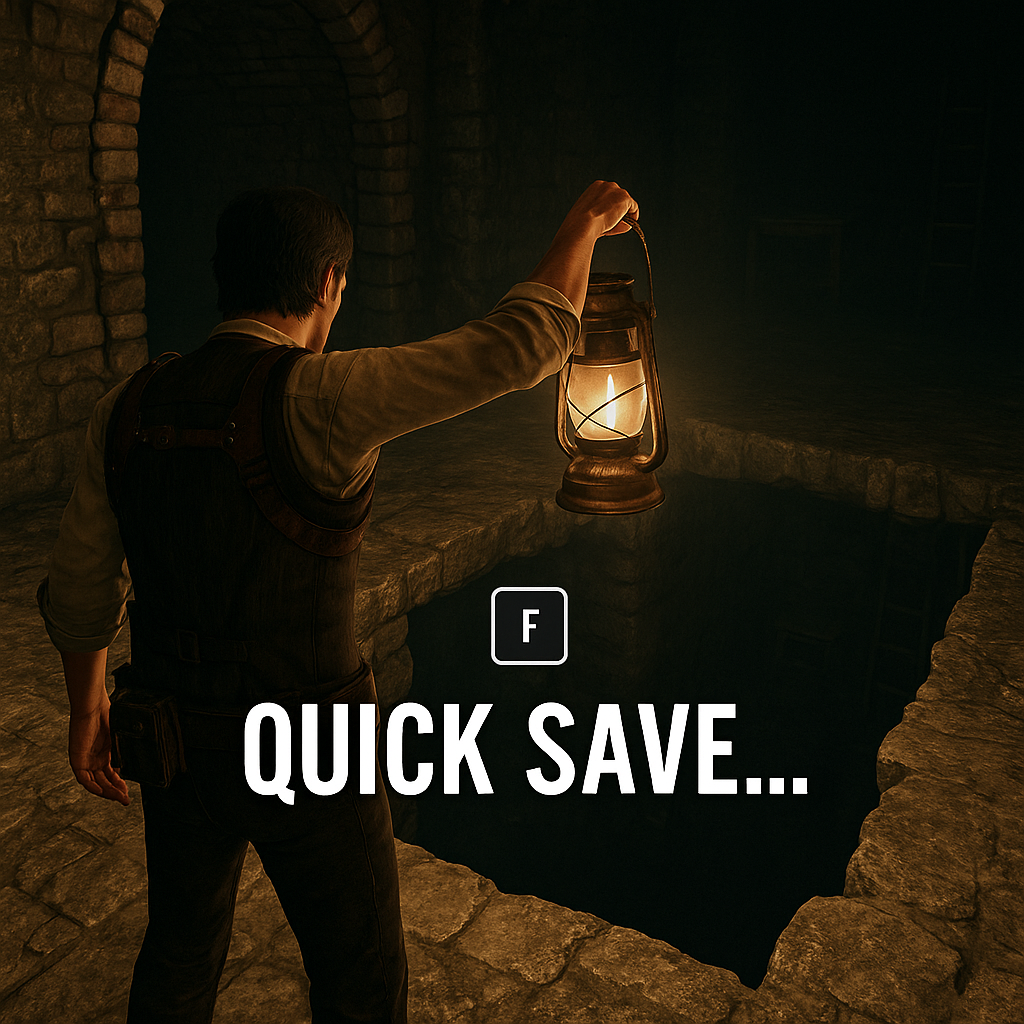
Some secrets aren’t hidden behind perception, they’re hidden behind commitment. You know the moment: a ledge drop that looks survivable but suspicious, a cracked floor with a “this is definitely a trap” vibe, a ladder down into a basement where the music suddenly gets too quiet. Discovery games love one-way gates because they create tension, and tension makes you hesitate. Quick-save probing is how you turn that hesitation into information instead of anxiety.
If the game allows manual saves (or a reliable checkpoint you can force), I quick-save before any irreversible movement: drops, slides, squeeze-through gaps, door locks that slam behind you. Then I probe like a gremlin. Take the drop. Push the lever. Crawl through the vent. The goal isn’t to brute-force every branch, it’s to answer one question: “Is there anything down there worth the commitment?” If the probe reveals a stash room, a shortcut ladder you can kick down, or a weird collectible tucked behind a boiler, great, now you know it’s not just punishment. If it’s a gauntlet with no payoff, reload and take the other route with zero regrets.
The little discovery detail people miss: probing also teaches you the game’s language for one-way secrets. Maybe drops that are safe always have scuff marks on the landing. Maybe vents with loot have a faint draft sound. Maybe the “point of no return” doors always have an autosave stutter right as you touch the handle. You only pick up those cues when you test a few and compare outcomes.
I keep it disciplined so it doesn’t turn into save-scumming the whole campaign. One probe per new area, tops. And if the game’s on a console with slower load times, I’ll do it right before I was going to take a break anyway. Worst case, I lose 40 seconds to a reload. Best case, I grab the missable upgrade that would’ve haunted my completionist brain for the next ten hours.