
Mark your own breadcrumbs, test sightlines, and brute-check vertical space without staring at the minimap.
Draw your own route: the manual breadcrumb loop
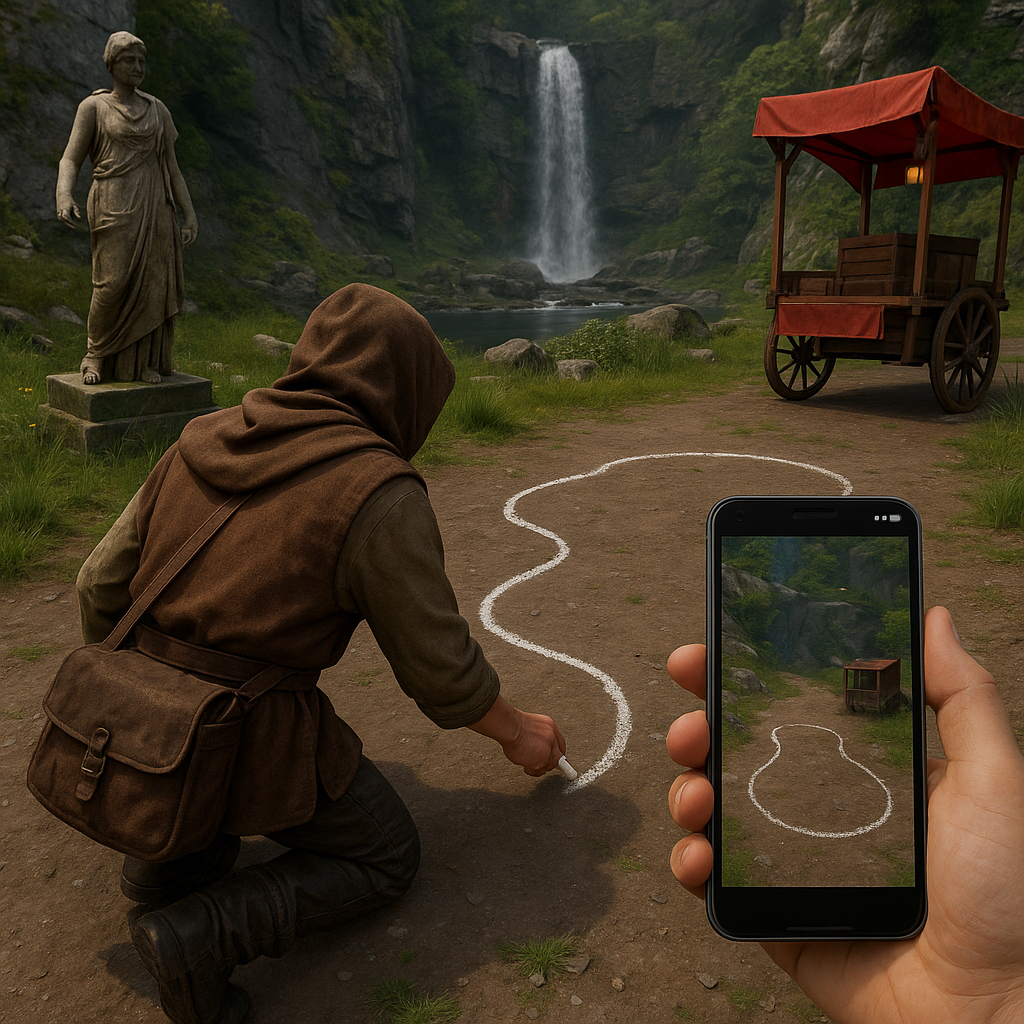
I started doing this in big zones where the HUD is either noisy (icons everywhere) or weirdly quiet (nothing, until you miss it). Before I chase anything shiny, I make a loop I can recognize later. Not a mental loop. A physical one. I pick three anchors that are hard to confuse: a statue with a broken arm, a waterfall you can hear before you see, a vendor cart with a red awning, that kind of thing. Then I walk the loop once at a normal pace and I drop my own breadcrumbs every time the path forks: a custom marker if the game allows it, a quick screenshot of the fork, or even a dumb little note like “left at the leaning pine” in my phone.
Here is the Game Discoveries part: the loop turns “maybe there was something back there” into a repeatable sweep. On the second lap, you do not explore broadly. You explore surgically. Every fork gets one short probe (30 to 60 seconds) and if it does not pay off, you return to the loop and keep moving. You are basically outlining the zone with chalk, and the side secrets pop out because you are no longer wandering in a way that makes everything feel new. The stuff that is different becomes obvious: a gap in the rock that you swear was not there, an interact prompt that only appears from one angle, a faint climb texture on a wall you ran past twice.
I like this most in games with streaming worlds where discovery cues load late. If you sprint like a goblin, the world sometimes has not finished putting the “hey, look here” details on the table yet. Walking the loop once forces the game to settle, then your second lap is where you catch the hidden cave mouth that was a flat texture five seconds ago.
Sightline testing: crouch, back up, and let lighting betray the secret
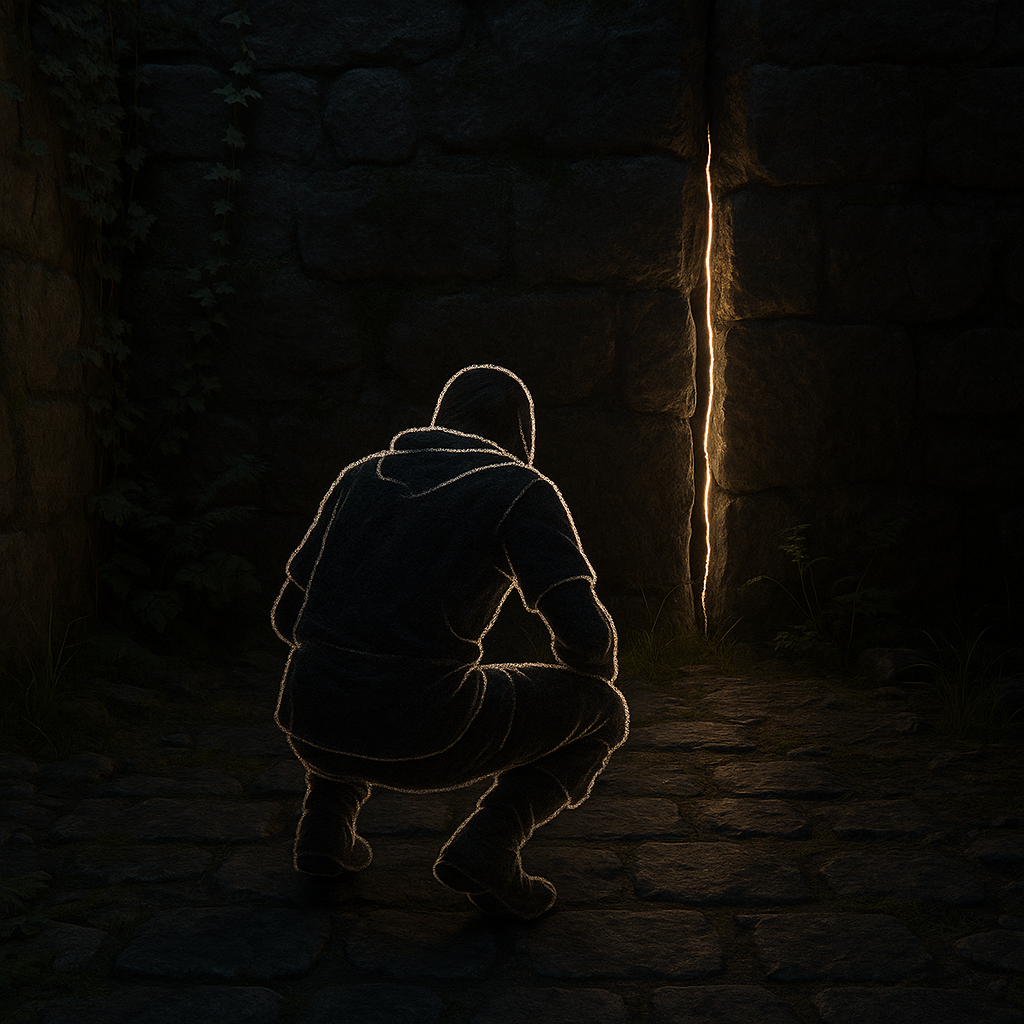
Most people “search” by pressing their face into the wall. I do the opposite. When I suspect there is a side room, a ladder, or one of those cruel little gaps the level designers hide behind foliage, I step back until the whole scene fits on my screen, then I crouch. Crouching changes the camera height and the way highlights catch on edges. It is especially noticeable in games that use heavy ambient occlusion, fog, or bloom. That subtle rim light you never notice at eye level suddenly outlines a crack, a seam, or a climbable lip.
This is Game Discoveries as a method, not a vibe: you are testing sightlines the way a level designer expects a player to see the “tell.” A lot of hidden content is built around one clean angle where the silhouette reads. The secret tunnel is not invisible. It is just framed badly from the path you naturally take. Back up, rotate slowly, and watch for three giveaways: (1) a lighting mismatch, like warm torchlight leaking from a “solid” wall, (2) a material mismatch, like one patch of rock with a different roughness that catches specular highlights, and (3) motion mismatch, like leaves that sway in front of an opening while the “wall” behind them is dead flat.
Two practical habits make this work. First, turn off motion blur if the option exists. It is gorgeous in combat and it ruins micro-movement scanning. Second, do a slow pan in both directions. Some engines show shimmer and reflection differently depending on which way you rotate the camera. I have found more hidden alcoves by rotating clockwise, stopping, and then rotating counterclockwise than I care to admit.
When it hits, it feels almost silly. You were inches away, mashing interact, and nothing. You take ten steps back, crouch, and the whole secret says hello with one thin line of light.
Vertical paranoia: every room gets a ceiling pass
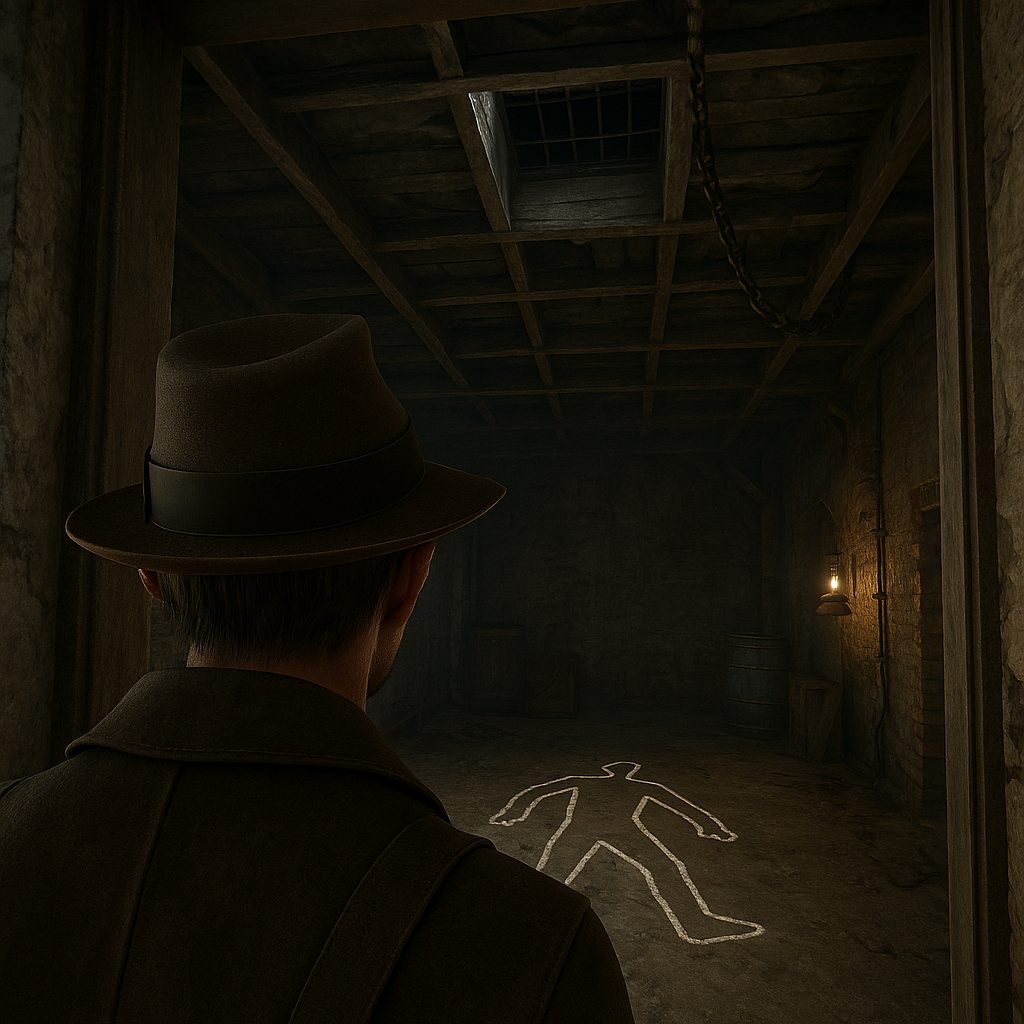
I had to train myself into this because my brain wants to scan at human height. Games love punishing that. So I do a “ceiling pass” in every new interior, ruin, cave, or industrial hallway before I loot a single crate. It takes ten seconds and it catches the stuff that otherwise turns into a nagging feeling three hours later when you are short one key or one collectible.
Here is what the pass looks like. Stand in the doorway you entered from. Tilt the camera up until you are basically looking for rafters. Then do one slow 180. You are not looking for treasure chests. You are looking for infrastructure: beams that could hold a grappling point, a broken catwalk, a vent grate with a different pattern, a chain or rope that is just low enough to grab, a ledge with intentional clutter (a coil of cable, a bucket, a lantern) that signals “this is a route,” not background art. In fantasy games, it is banners, chandeliers, and buttresses. In sci-fi, it is conduit runs and maintenance hatches. Different coat of paint, same discovery language.
If you spot a plausible route but you cannot reach it yet, mark it immediately in whatever way the game gives you: a custom waypoint, a map stamp, a screenshot with the minimap visible, anything. Game Discoveries is basically the art of not trusting your future self to remember why a ceiling looked suspicious. I cannot count how many times I have returned to a dungeon later with a new traversal tool and thought, “Why did I even come back here?” Past-me leaving a dumb little screenshot has saved me.
One last thing: do the ceiling pass again after a fight. Some games spawn ladders, open shutters, or drop debris that creates a new climb line once the room is “cleared.” If you only ever scan on entry, you miss the post-combat changes that designers hide in plain sight.