
Use map filters, weird NPC lines, and a 15-minute detour rule to uncover the stuff most players sprint past.
Interrogate the map like you're hunting a glitch
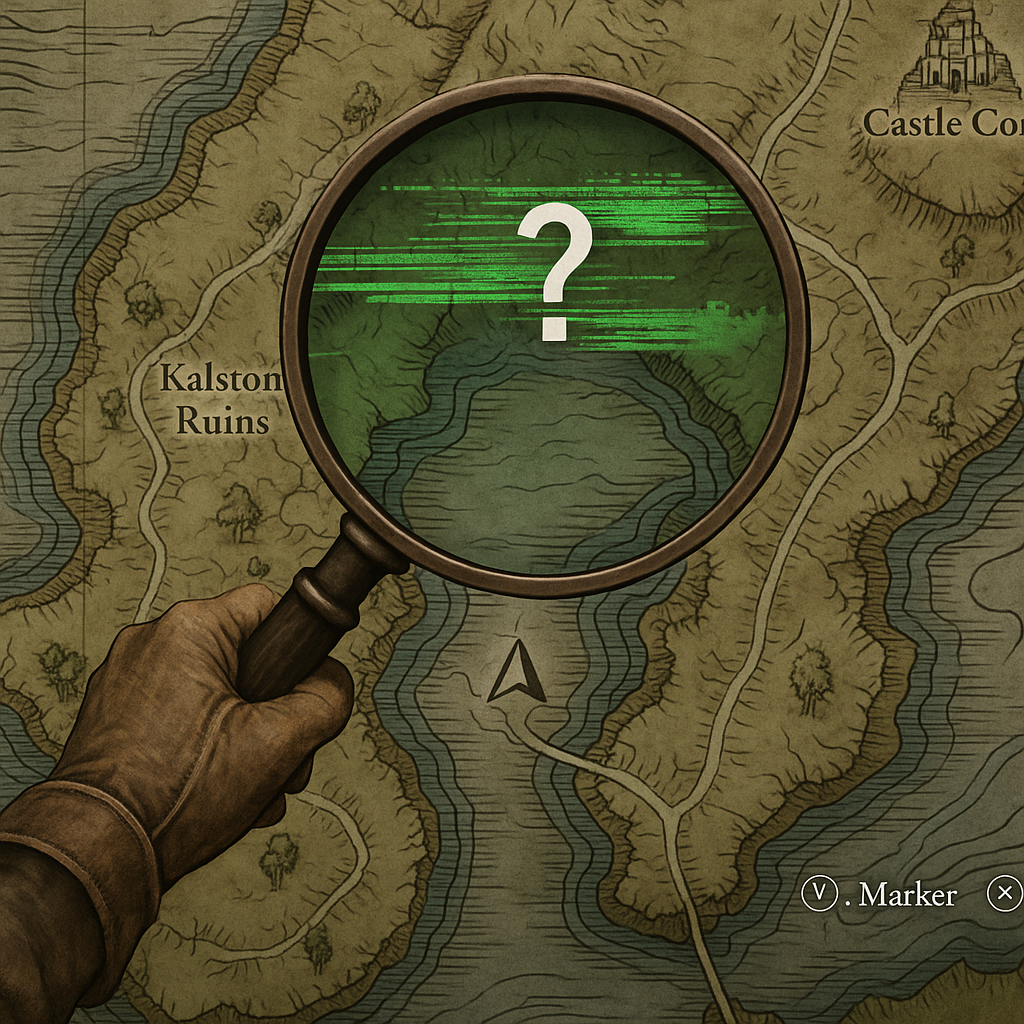
I used to treat the world map like a to-do list: clear icons, move on. That gets you a clean map and a very average playthrough. If you're here for game discoveries, you have to flip the instinct. Start by turning things off. Most open-world maps let you filter categories, and the fastest way to spot the oddities is to hide the obvious (shops, fast travel points, main quest markers) until the screen stops looking like confetti. Then zoom in and look for the stuff that doesn't match the surrounding terrain: a lone structure symbol on an otherwise empty ridge, an unlabelled cave mouth that isn't a “dungeon” icon, a road that dead-ends into nothing.
Here are three map tells I chase on purpose:
- Asymmetry. If a coastline is smooth for five minutes and then has one jagged bite taken out of it, go there. Designers don't do that by accident.
- Negative space. A big blank patch between two points of interest is rarely “empty.” It's often a stealth tutorial zone, a traversal puzzle, or a tucked-away mini-boss arena.
- One-off labels. A named hill, bridge, or ruin with no quest attached is basically the game whispering, “Hey, come see why this got a name.”
When I find a suspicious spot, I drop my own marker and give it one inventory cycle. That means: walk there, loot what you can reach, and if nothing interesting happens by the time you've burned through one full set of healing items or one durability break, you leave. The trick isn't wandering forever. It's running tight, repeatable little experiments that produce discoveries without turning your night into aimless jogging.
Listen for the NPC line that sounds like a mistake
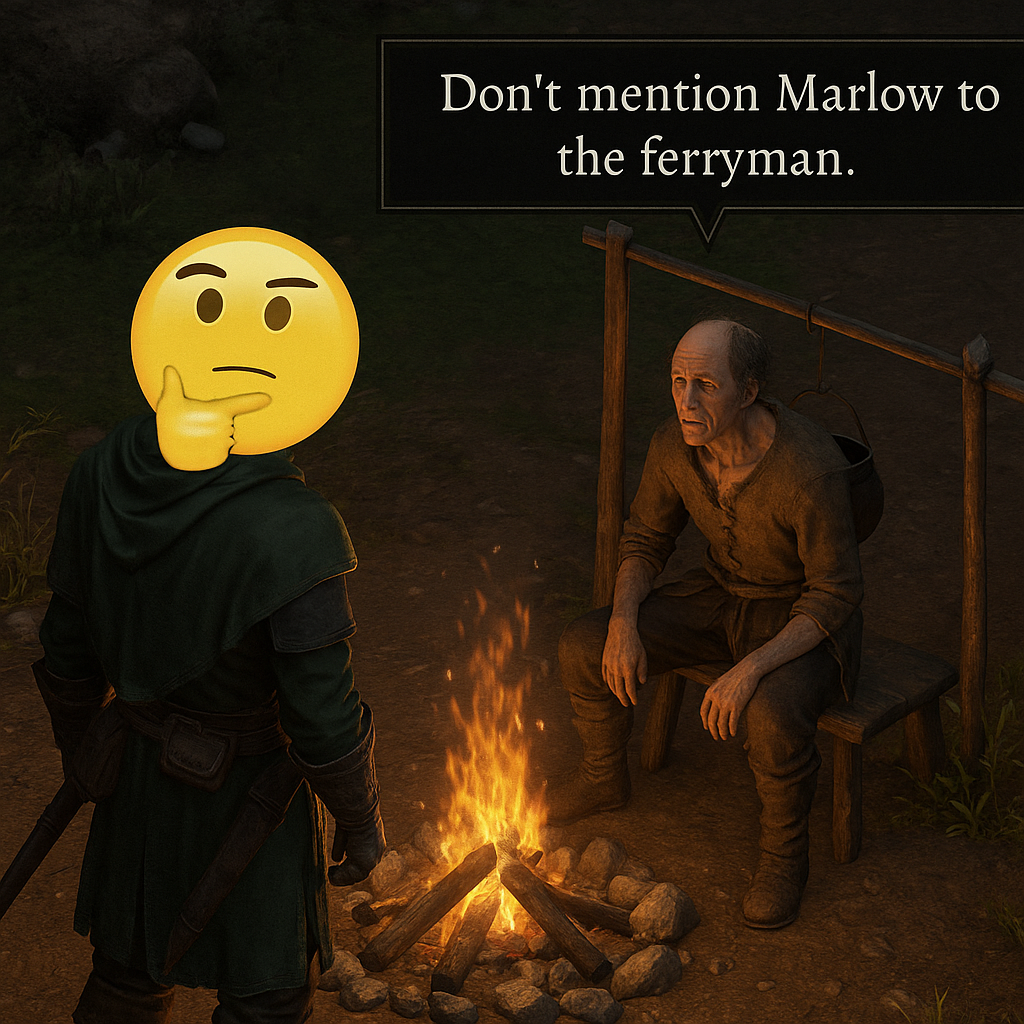
If you want discoveries, stop skipping ambient dialogue like it's unskippable loading-screen trivia. The best secrets are often gated by a single crumb of information, and the writers hide it where players are least patient: the third time you talk to a nobody, or the bark you hear while sprinting past a campfire. I keep a simple rule: anytime an NPC says something that feels oddly specific, I treat it like a quest marker I can't see yet.
You're listening for lines with unresolved nouns. Not “bandits are bad,” but “the bandits won't go near the old well.” Not “the weather's strange,” but “lightning keeps hitting the same tree.” Those are coordinates disguised as conversation. In my own runs, the highest hit rate comes from:
- Warnings that don't match the threat level. When someone acts terrified of something mundane (a pond, a shed, a side path), it's usually because the game wants you to notice an interactable you haven't learned yet.
- Contradictions. Two NPCs describe the same place differently. One says it's abandoned, another says they heard singing. That's not flavor, that's an invitation.
- Names without context. “Don't mention Marlow to the ferryman.” Great. Who's Marlow, and why does the ferryman care?
Here's the hands-on part that makes this usable: write it down, fast. Not a journal entry, literally three words in your phone or a sticky note. I do “old well / bandits” or “tree / lightning” and then I pin a custom marker near the area. When you come back later with a new tool, a new traversal move, or just more patience, those notes turn into a little personal discovery log instead of “I swear there was something here.”
Also, talk to the same NPC twice. A lot of games rotate barks, and the second line is where the developer gets brave. The first line sells the world. The second line sells the secret.
The 15-minute detour rule (and when to break it)
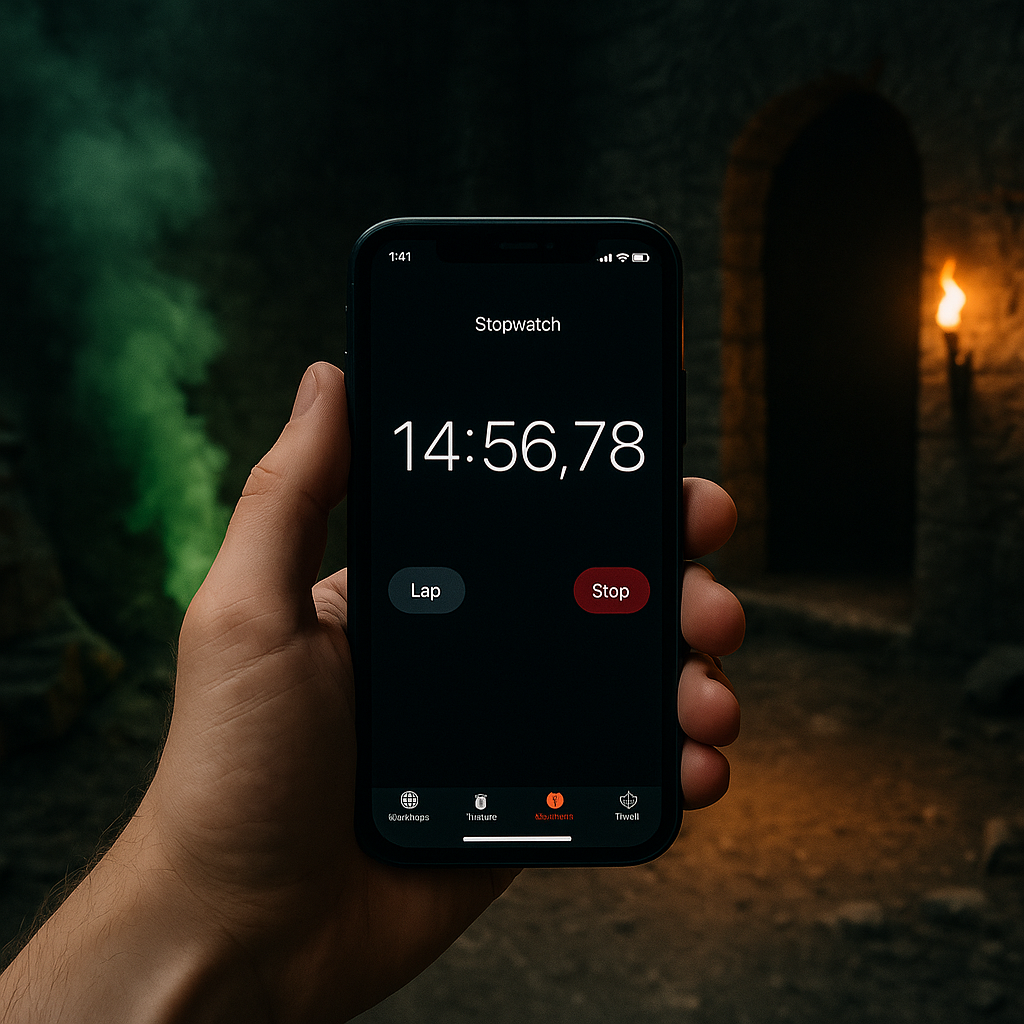
Most guides treat exploration like a personality trait. You either “love exploring” or you don't. I don't buy that, because the thing that kills exploration isn't boredom, it's the feeling that you're wasting time and won't know when to stop. The fix is a timer. My go-to is 15 minutes, and yes, I set an actual stopwatch on my phone.
Here's how it works in practice. You're on your way to a main objective and you spot something that looks like a discovery hook: smoke on a ridge, a half-buried doorway, a weirdly placed torch line, a sound cue that seems too loud for random ambience. Detour. Start the timer. For those 15 minutes, you're not “getting distracted,” you're running a contained search: check the perimeter for alternate entrances, look for interact prompts at ankle height (games love hiding switches where the camera doesn't naturally point), and circle once at a different elevation because verticality is where secrets live. If you haven't found a clear thread when the timer ends, you mark it and leave. No guilt, no spiral.
When do I break the rule? Only for two signals:
- A system reveal. The moment you uncover a new mechanic (an elevator network, a hidden faction reputation, a traversal upgrade), keep going. Those tend to branch fast, and stopping mid-branch is how you forget how the system works.
- A “one-way door” moment. If you drop into a pit, ride a slide, trigger a collapse, or otherwise cross a point of no return, commit until you hit a new fast travel point or a clear exit. Bailing halfway often means slogging back later.
This little rule does something sneaky for game discoveries: it trains your brain to notice patterns. After a few sessions you'll catch yourself spotting the same design language across regions, like how certain rock shapes always hide a crawlspace, or how a certain music sting always plays near an optional boss. It's not mystical. It's reps. And it turns “I missed half the game” into “I know where the game hides its good stuff.”